
The number of people diagnosed with knee OA each year is staggering. It seems that people over the age of 40 who have some knee pain are told they have OA (arthritis). Most people over the age of 40 will show some signs of normal aging joint changes. But that does not mean knee OA is the true cause of their pain. There is much more to any story if the healthcare provider is listening.
So, you have been told you have knee OA, now what?
Well…time to address any pain AND the related factors to why. Typically, this will involve addressing strength, flexibility/range of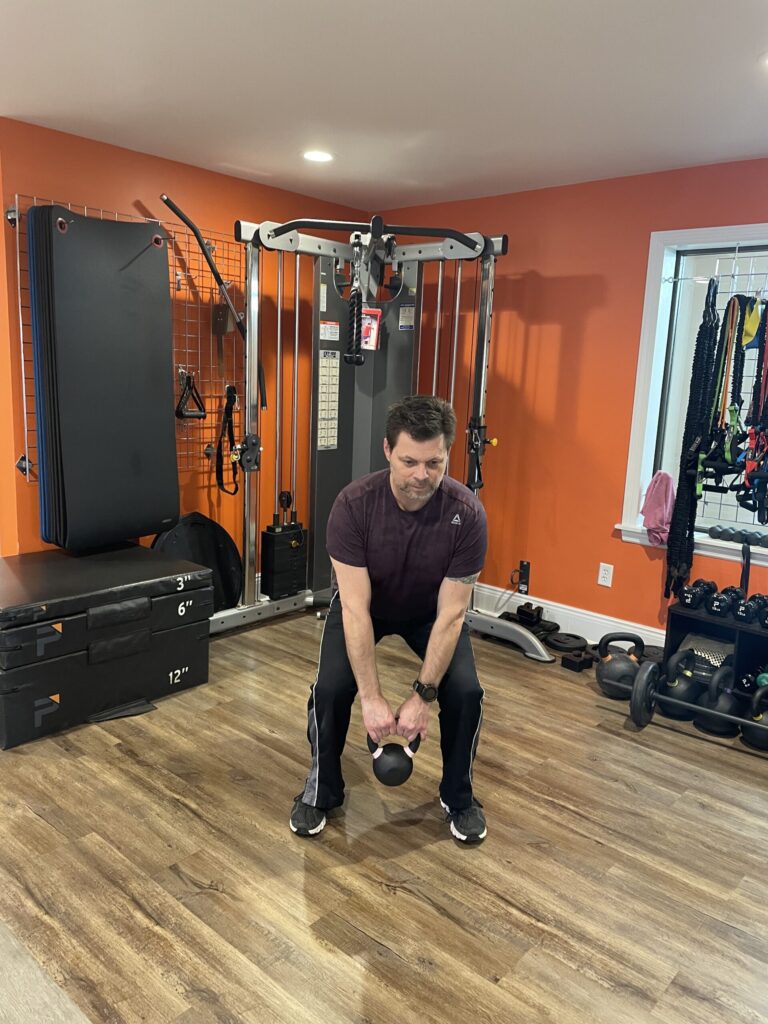 motion, balance, and conditioning. Some or all of these elements will be important to address IF the goal is to reduce pain and improve function.
Yes, there may be some pain or discomfort along the way. But some pain does not mean harm or damage to the knee joint. By working to improve in each of those domains noted above, the joint will become more tolerant of load and activity. As this happens, pain will reduce and function will improve. And hopefully the desire to take pain medication will reduce as well.
Where should I start? Do I just do the exercise sheet the doctor gave me?
Well, that is one option, but not the one I would recommend. You will want a program specific to you, not a general sheet of exercises provided to all patients with knee pain. In this circumstance your 1st call should be to a physical therapist. This muscle and joint movement expert will develop a program suited to you and your goals. They will take into account your strengths, weaknesses, and pain to help you achieve success with a lower likelihood of pain.
Are you ready to be done with the pain of knee OA?
Then click the following link to connect with an expert today.
0 Comments